What Fiber Has to Do with the Longevity Trend
Why Are We Still Searching for the Secret to a Long, Healthy Life? Why are we still searching for the secret recipe for a long and healthy life when the answer is older than humanity itself and appears in our daily lives time and time again? International superfoods, elaborate biohacking routines, ice baths, expensive vitamin infusions, questionable oxygen cocktails, meditation while standing on your head – all of these are exciting methods and useful tools for improving health and well-being. Yet the real answer is much simpler and often far less expensive:
Plant Fibers and Their Secret
I enjoy pointing out that the term “fiber” no longer does these nutrients justice. They are anything but mere roughage – they are an essential part of any balanced and conscious diet. Anyone who values their health and well-being should ensure an adequate intake of fiber from a variety of food sources. Your gut especially loves this approach and, in return, supports every cell in your body where that support is needed most.
The secret lies in their structure and the benefits this provides during digestion. Fiber consists of long-chain, complex carbohydrates that are bound to the fibrous structures of plant cell walls. Although they belong to the carbohydrate family, they are not metabolized like sugar. This means they are largely indigestible and, unlike glucose, are generally not converted into energy by the body.
There are two main types of fiber: soluble and insoluble.
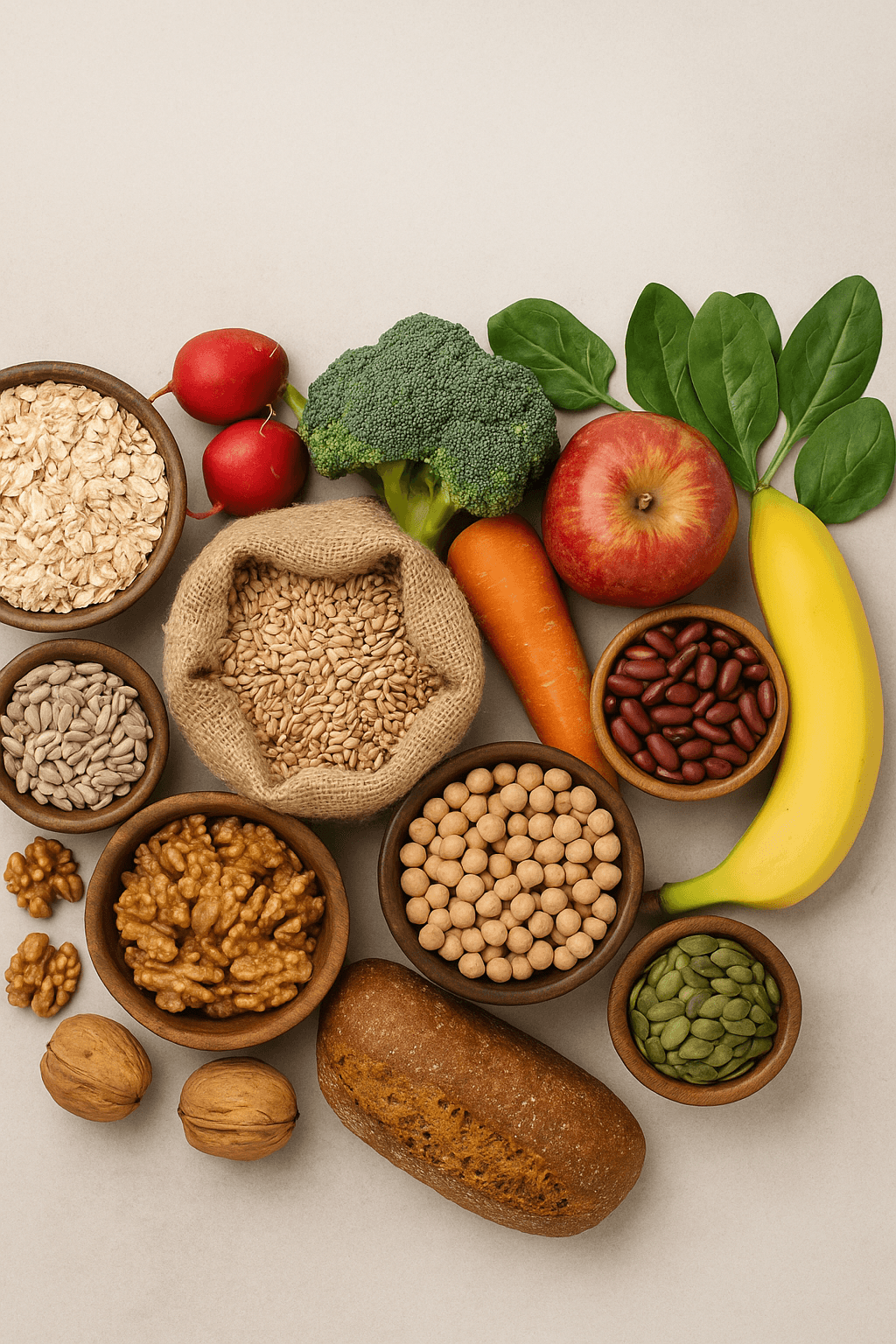
Soluble fiber is found in foods such as vegetables, fruits, seeds, and legumes. It serves as nourishment for beneficial gut bacteria.
Insoluble fiber is primarily found in whole-grain products, oats, and legumes. It helps cleanse the digestive tract like the body’s own internal cleaning system, making it one of the closest things to a natural detox.
A daily intake of 30 grams of fiber is generally recommended. However, if your current diet is relatively low in fiber, it is important to increase your intake gradually rather than all at once. Drinking enough fluids throughout the day is equally important, as this helps you enjoy the benefits of fiber without digestive discomfort or unwanted side effects.
Those who consistently consume more than 30 grams of fiber per day may benefit even further from the principles of longevity and the so-called slow aging effect that fiber supports
Benefits for Digestion
Our cells need energy to survive, and their preferred fuel source is glucose: heart cells need it to pump blood, brain cells to transmit signals, cells in the ears to hear, in the eyes to see, in the stomach to aid digestion, in the skin to heal injuries, and red blood cells to transport oxygen.
One thing that distinguishes humans from plants is that we cannot produce our own energy. As convenient as it would be to simply sit in the sun, take a deep breath, and create a delicious potato soup in our stomachs, photosynthesis is not one of our abilities. True to my motto, “Eat Your Energy,” the most common way for us to obtain glucose is by eating it.
Side note: Under certain conditions, our bodies can produce glucose on their own if they are not getting enough from food, for example from proteins. However, this is generally not an ideal state, and I’d be happy to explain it in more detail personally—just ask me. The only cells that are always dependent on glucose are our red blood cells and brain cells.
There is an enzyme called amylase that breaks down carbohydrate chains and helps digest sugars. Amylase can break apart starch chains and sucrose molecules, but there is no enzyme capable of breaking down cellulose. As a result, cellulose is not converted back into glucose and does not provide direct energy. Molecules that remain unchanged in this way are what we call dietary fiber.
Fiber travels from the stomach through the small intestine and into the large intestine. Although it does not serve as a direct energy source for our cells, it is an essential part of a healthy diet and plays a crucial role in digestion. This is something we should actively make use of in our daily nutrition.
Dietary fiber should not only be part of every day but ideally part of every meal—just like protein.
A good reason to take a closer look at its superpowers.

Healthy Digestion Starts from Within
Superpowers for Your Ultimate Health Boost
Let me put my enthusiasm into words and summarize what makes fiber so powerful:
Fiber reduces the activity of alpha-amylase, the enzyme responsible for breaking down starch into glucose molecules. As a result, stomach emptying slows down, meaning food moves more gradually from the stomach into the intestines when fiber is present. This leads to longer-lasting satiety, which also translates into more stable energy levels. Hello, more energy – and who doesn’t want that?
You can also imagine fiber creating an elastic network in the small intestine that makes it harder for glucose to pass into the bloodstream. In other words, it naturally slows down sugar digestion. Pretty amazing!
As a result, potential blood sugar spikes become less pronounced. The bottom line: we age more slowly. That’s a genuine, natural longevity hack.
And even if you still feel like having a sweet dessert after your main meal, you’ll benefit from these positive effects. Starchy and sugary foods consumed after eating fiber have a smaller impact on the body than they would without fiber. In other words, we can often enjoy the same foods while supporting better metabolic health.
Fiber – Your All-in-One Longevity & Beauty Boost
Digestion is an incredibly smart system once you understand how it works.
Longer-lasting satiety means fewer cravings. Because fiber takes longer to digest, it helps maintain steady energy levels throughout the day – goodbye afternoon slump! In addition to feeding your beneficial gut bacteria, fiber also promotes the production of anti-inflammatory compounds that strengthen the immune system, help prevent disease, and support recovery. Your skin and hair benefit too, making fiber a true beauty booster.
What's more, fiber can improve concentration, memory, sleep quality, and even mood. That's because up to 95% of the body's serotonin – often called the “happy hormone” – is produced in the gut.
Dietary Fiber: Small Fibers, Big Impact
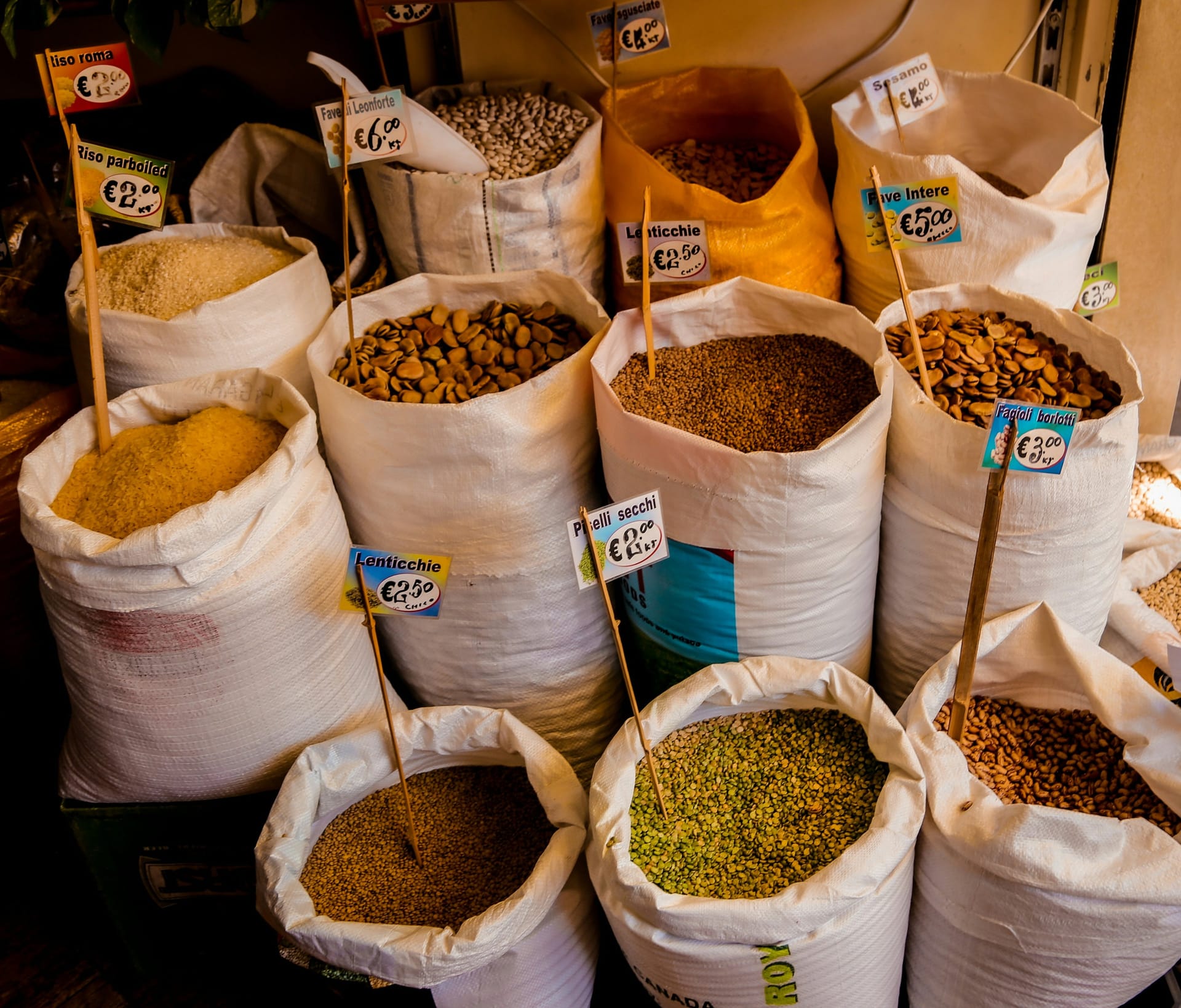
Pretty amazing, isn’t it? If I’ve sparked your interest, you’re probably ready to fill a big basket with vegetables, whole grains, and legumes right away.
What are your favorite foods that help you regularly enjoy the superpowers of fiber? Feel free to let me know! And if you're unsure about which foods work best for you or how much fiber you can comfortably tolerate, don't hesitate to reach out. Together, we can find the right approach to support your cellular health for the long term.
That’s the real secret to longevity!