
Cravings After a Workout: Causes and How to Stop Them
You’ve trained hard, given it your all, and the moment you step into the shower, hunger kicks in. Not the polite “It would be nice to eat something now” kind of hunger, but real cravings: you want everything, and you want it immediately.
This is neither a coincidence nor a sign of weak willpower. Anyone who trains regularly in the gym knows this feeling, and there are solid physiological reasons behind it. Let’s take a closer look at those reasons and, more importantly, what you can do about them.
Here are the three most common causes of post-workout cravings, along with a few practical tips to help your body manage them.
1. Blood Sugar Fluctuations After a Workout
Training burns energy – and it does so quickly. During an intense workout, your body relies on glucose from the bloodstream to fuel both your muscles and your brain. Depending on the intensity of your training and your nutritional status beforehand, your blood sugar levels can drop significantly after exercise. The result? Strong cravings that cannot simply be ignored or “willed away.”
This effect is particularly noticeable if you trained on an empty stomach or if your last meal was several hours ago. Unfortunately, your brain is not very cooperative in these moments – it wants energy, and preferably fast-digesting carbohydrates.
What helps:
A post-workout snack that combines protein with moderate amounts of carbohydrates, such as Skyr with fruit or a protein shake with a banana. This helps stabilize blood sugar levels after training and prevents the next wave of cravings from hitting.
2. Lack of Satiety Due to Poor Nutrient Composition
If you eat too little after training or choose the wrong nutrients, chances are you’ll be hungry again shortly afterward. Protein and fiber are among the most effective nutrients for promoting satiety – especially after exercise, when your body is actively focused on recovery.
When these nutrients are missing from your post-workout meal, hunger tends to linger. Healthy fats also play an important role: they slow digestion, further stabilize blood sugar levels, and support hormone production – all processes that become particularly active after exercise.
What helps:
A complete post-workout meal that combines protein (e.g., cottage cheese, legumes, fish, or eggs), fiber (whole grains and vegetables), and healthy fats. People who understand their individual protein requirements and consistently meet them are less likely to experience intense cravings after exercise.
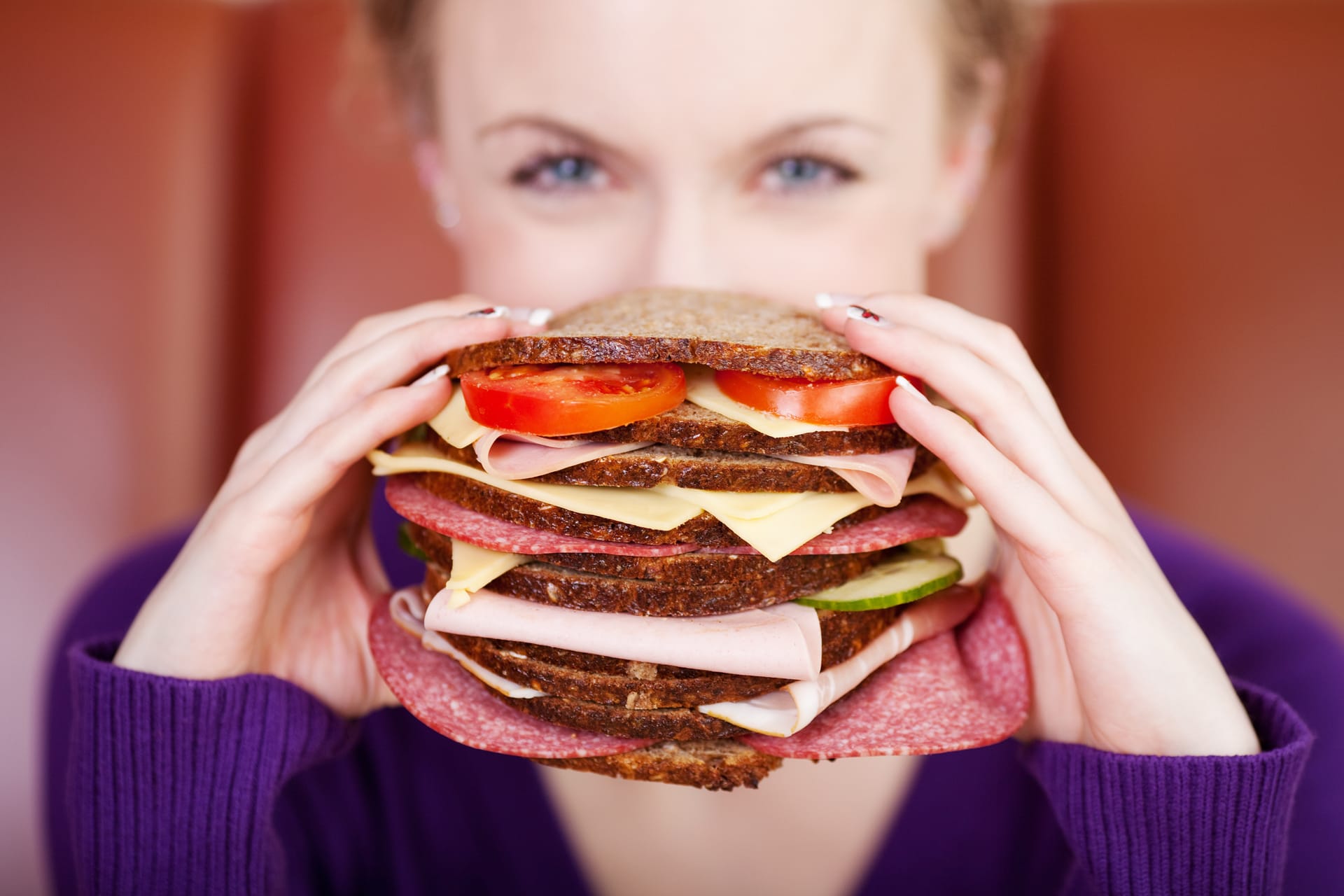
Cravings Triggered by Blood Sugar Fluctuations
3. Lack of Sleep – The Most Overlooked Trigger for Cravings
Had a bad night’s sleep? Then post-workout cravings are twice as likely. Sleep deprivation – especially when deep sleep is lacking – increases the release of the hunger hormone ghrelin. At the same time, the satiety hormone leptin is released more slowly. The result: you end up eating more after training than your body actually needs.
Anyone who trains regularly while also struggling with poor sleep quality is fighting a battle on two fronts – recovery becomes less effective, while hunger increases at the same time.
What helps:
Recovery doesn’t start after your workout – it starts at night. Improving your sleep quality automatically improves your ability to regulate your eating habits. In the EVO context: if intensive training regularly leads to sleep problems, it may be worth adjusting your training schedule accordingly.
Conclusion: Take Post-Workout Cravings Seriously
Post-workout cravings are not random signals – they are your body’s way of telling you where it currently stands and what it needs. If you train regularly, you need a nutrition strategy that supports your training. Not just any healthy diet, but one that specifically addresses the three causes outlined above.